Rare Nokota horses find a new home at the Standing Rock Sioux Reservation, a move to help ensure their future
Ravi Patel has a background in economics and journalism, graduated from the University of North Dakota. With four years of experience at local news outlets, he specializes in business trends and economic development in the Grand Forks area.
More from Ravi →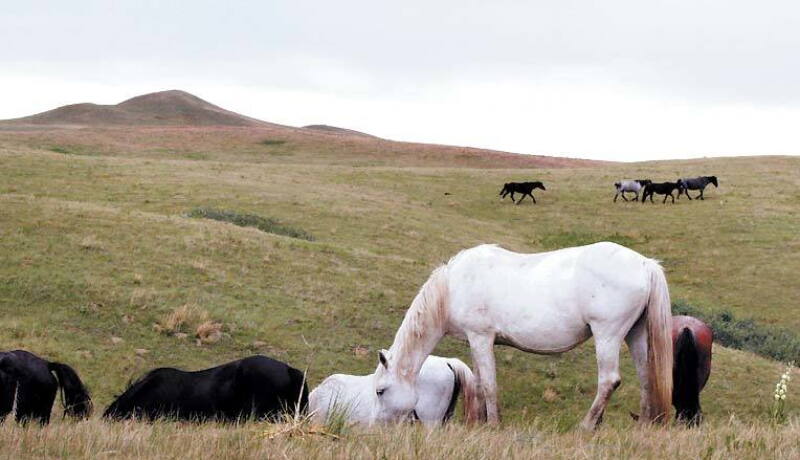
In this story
As the sun began to set over the Standing Rock Sioux Reservation, casting a golden hue across the landscape, Frank Kuntz stood at the corral gate, his heart heavy yet hopeful. After nearly 50 years of dedication to the rare Nokota horses, a herd he nurtured from the brink of extinction, the moment had finally arrived for them to find a new home. With the gate swinging open, Kuntz was not just releasing horses; he was releasing a piece of history into the care of a community that understands their significance.
What Happened
On a recent fall day, the Standing Rock Sioux Tribe announced their commitment to take on Kuntz's herd of Nokota horses, ensuring the preservation of this unique breed that holds deep cultural ties for the tribe. The Nokota horses, which have roamed the Badlands of Theodore Roosevelt National Park since at least the 1880s, represent a blend of wild ranch horses and the lineage of the Sioux ponies. Kuntz, now 75, expressed his relief and excitement, stating, “I’m ecstatic. I’m excited about it.”
The Kuntz brothers, Frank and Leo, began their journey in the late 1970s, purchasing surplus horses from the park that were at risk of being sold for slaughter. They initially intended to use these horses for endurance racing but soon recognized their gentle nature and historic significance. This realization led to the establishment of the nonprofit Nokota Horse Conservancy, dedicated to preserving the breed.
However, the financial burden of maintaining a large herd proved overwhelming, especially as Frank faced health challenges and diminishing land availability. By 2023, he was left with only seven acres to house over 200 horses, forcing him to confine them in a small space. The partnership with the Standing Rock Sioux Tribe marks a pivotal moment not only for the horses but also for Kuntz, who has devoted his life to their care.
The Legacy of the Nokota Horse
The Nokota horse is more than just a breed; it is a living link to history. The lineage of these horses can be traced back to the time of Sitting Bull, the revered Hunkpapa Lakota leader, who surrendered his horses at Fort Buford in 1881. The horses later became part of a larger herd managed by Arthur Clarke Huidekoper, who bred them with domestic horses, further enriching their genetic diversity.
As mechanization took over farming and ranching, many horses were abandoned, leading to a feral population in the Badlands. Unfortunately, efforts to preserve their bloodlines were met with resistance from park authorities, who replaced wild stallions with domestic ones in the 1980s, diluting the historic lineage.
In 1993, the Nokota horse was designated as North Dakota’s honorary state equine, a recognition of its unique heritage and the efforts of the Kuntz brothers. However, the loss of Leo, Frank's brother, in a tragic accident in 2018 marked a turning point. Frank's struggle to maintain the herd intensified, culminating in the sale of their family ranch and the threat of losing the horses altogether.
A New Home at Standing Rock
Jon Eagle Sr., a Hunkpapa Lakota from Standing Rock, has long understood the cultural significance of the Nokota horses. He met Leo Kuntz years ago and later developed a close friendship with Frank. Eagle's passion for horses led him to begin building his own herd, viewing the Nokotas as descendants of Hunkpapa war ponies. His vision for the horses extends beyond mere preservation; he sees them as a means to heal trauma within his community.
Earlier this year, Eagle collaborated with Kristie Tschida, who runs the nonprofit Hoof it Forward. Together, they sought funding to facilitate the transfer of the Nokota horses to Standing Rock. A $70,000 grant from Strengthen North Dakota will cover transportation, health checks, vaccinations, and pasture management.
The tribe plans to integrate the Nokota horses into various programs, including addiction recovery initiatives and youth education. Eagle envisions cultural tourism events centered around the horses, allowing the community to reconnect with their heritage. “I can tell you from my personal experiences, they’re different than a domestic horse,” Eagle shared. “My hope and prayer is that they help my people to heal and reconnect to our ancient way of life.”
Community Impact
The arrival of the Nokota horses at Standing Rock is not merely a transfer of animals; it represents a broader movement towards cultural revitalization and healing. The tribe's commitment to utilizing the horses in therapeutic programs underscores the deep-rooted connection between the Sioux people and their equine companions. For many, horses symbolize freedom, strength, and resilience—qualities that resonate deeply within the community.
Cynthia Monteau, the tribe’s director of land management and resource development, emphasized the importance of reintroducing the horses to their natural grazing environment. “The horses have been in confinement, and reintroducing them to grazing in large areas will take some time to ensure that they are safe, eating properly, and healthy,” she noted.
This initiative not only preserves a historical breed but also fosters a sense of identity and pride among the tribe members. As the community engages with the horses through educational programs and cultural events, they are reclaiming a piece of their history that was lost during the tumultuous times of colonization and conflict.
Looking Forward
As Frank Kuntz prepares to say goodbye to his beloved herd, he does so with a sense of fulfillment. The partnership with the Standing Rock Sioux Tribe ensures that the Nokota horses will continue to thrive, carrying forward the legacy of their ancestors. Kuntz’s journey, marked by dedication and resilience, serves as a testament to the enduring spirit of those who fight to preserve their heritage.
The future of the Nokota horses is bright, with plans for community engagement and educational programs that will instill a sense of pride in the younger generations. As they gallop across the open plains of the reservation, they will embody the hopes and dreams of a community striving to heal and reconnect with its roots. Frank Kuntz’s dream of a sustainable future for the Nokota horses is now intertwined with the aspirations of the Standing Rock Sioux Tribe, creating a powerful narrative of resilience, heritage, and hope.
In a world where many traditions are at risk of fading away, the story of the Nokota horses reminds us of the importance of commitment—to family, to culture, and to the land. As these horses find their new home, they carry with them the love and dedication of those who fought to save them, ensuring that their legacy will endure for generations to come.