Worker training, voter education called keys to smooth election
Lila Johnson is a seasoned business reporter with a background in finance, having graduated from the University of North Dakota. She has previously worked with local business journals and focuses on small business success stories and entrepreneurial initiatives.
More from Lila →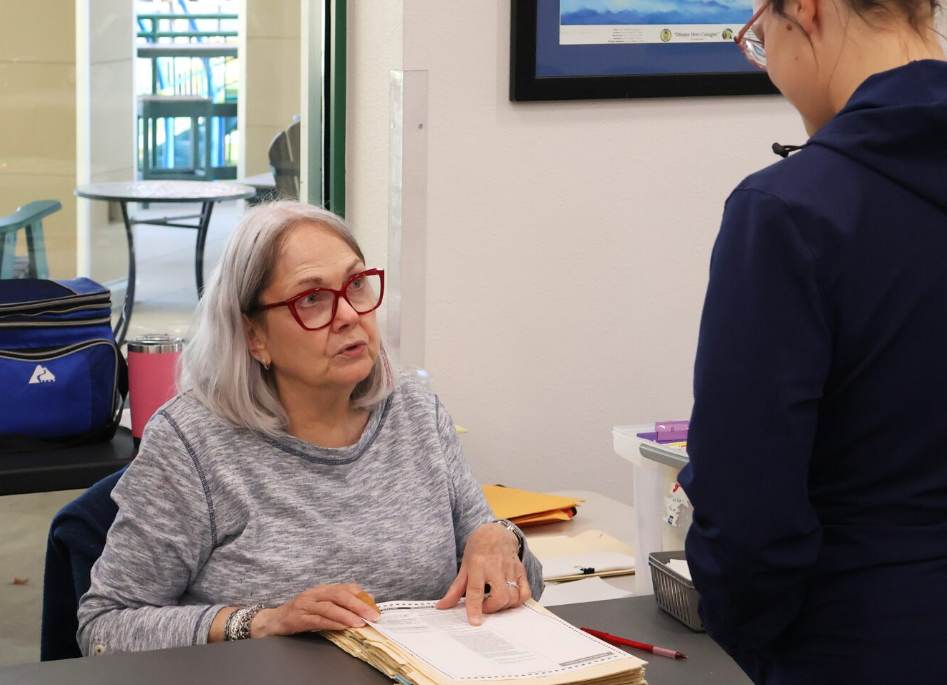
As the sun began to rise over Fargo on the morning of Election Day, a palpable sense of anticipation filled the air. At the Morton Mandan Public Library, Paulette Neff, an election judge, greeted voters with a warm smile, ready to assist them in navigating the ballot. With nearly a year of preparation behind her, Neff stood poised to ensure that the voting process would run smoothly for the community. This scene, repeated at polling places across North Dakota, underscores the critical role of dedicated election workers in safeguarding the democratic process.
The Importance of Training
In North Dakota, the journey to Election Day is not a last-minute endeavor. It is a culmination of extensive training and preparation that begins long before the polls open. Linda Chadduck, a veteran election worker with 47 years of experience, emphasized the commitment of election staff in Stutsman County. "The general public does not realize how many previous months and how many hours the staff puts into getting ready for Election Day," she stated, highlighting the meticulous planning that ensures a seamless electoral process.
Chadduck, who was honored as the 2026 Election Hero by the Secretary of State, has witnessed firsthand the evolution of election practices. She noted that the training provided by the Secretary of State's Office is crucial, as it equips county auditors with the knowledge to train their own election officials and poll workers. "It’s an ongoing thing from the beginning of the year until after the state canvassing board in November," she explained, illustrating the dedication required to maintain the integrity of the electoral process.
With the stakes high and misinformation rampant, the role of these trained professionals is more important than ever. Chadduck has had to confront false claims about the election process, such as the notion that ballots can be altered by election judges. "It has to have their initials on it. Because if there is a recount, and it’s not initialed, then it does not count," she clarified, showcasing her commitment to voter education.
Voter Education: A Crucial Component
Alongside the training of election workers, educating voters is a fundamental aspect of ensuring a smooth election. Paulette Neff, who has dedicated 15 years to serving as an election judge, takes this responsibility seriously. "A lot of people think they have to fill everything out on the ballot, and they don’t have to," she explained. Her proactive approach involves walking voters through the ballot to prevent common mistakes, such as over-voting, which can lead to ballots being rejected.
The emphasis on voter education is echoed by Sandy Fossum, the auditor in Richland County. With a mix of experienced and first-time poll workers this year, Fossum is committed to providing individualized training to ensure that every worker feels confident in their role. "I try to do whatever it is to make them have a better experience," she stated, highlighting the importance of a supportive environment for both workers and voters.
This focus on education extends beyond the polling place. Misinformation can spread rapidly, especially on social media platforms. Chadduck has found herself correcting false claims about voting machines being hackable or connected to the internet. "No, they are not. They do not even have a place to hook up to the internet in them," she asserted, emphasizing the security measures in place to protect the integrity of the vote.
The Role of Technology in Voting
As technology continues to evolve, so too does the landscape of voting. North Dakota's election system, which does not require voter registration, relies on various forms of identification to ensure that each vote is counted accurately. Acceptable IDs include a North Dakota driver’s license, a tribal ID, or a certificate from a long-term care facility. This streamlined approach is designed to make voting accessible while maintaining security.
Absentee voting has also become a significant aspect of the electoral process. As of the latest reports, more than 101,000 North Dakotans had cast their ballots early, reflecting a growing trend toward proactive participation in elections. Fossum noted that absentee ballots must be received by 7 p.m. on Election Day, a deadline that reinforces the importance of planning ahead for voters who may not be able to make it to the polls on the day itself.
Community Engagement and Turnout
The engagement of North Dakotans in the electoral process is a testament to the commitment of the community to uphold democratic values. In the 2022 midterm elections, nearly 242,000 residents participated, resulting in a turnout of approximately 43%. This level of engagement is not merely a statistic; it reflects a community that values its voice and the importance of participating in the democratic process.
As voters prepare to cast their ballots, the role of election workers becomes even more critical. With polls opening between 7 a.m. and 9 a.m., depending on the location, and closing at 7 p.m., there is a window of opportunity for every eligible voter to make their voice heard. Fossum reminded voters that if they are in line by the time the polls close, they will still be allowed to cast their ballot, a provision that underscores the commitment to ensuring that every vote counts.
The dedication of election workers like Neff and Chadduck goes beyond their individual roles; it represents a collective effort to foster a sense of community and trust in the electoral process. Their hard work and commitment to educating voters help to dispel myths and ensure that every citizen feels empowered to participate in shaping their future.
Looking Ahead: Strengthening Democracy
As North Dakota moves forward, the lessons learned from this election will continue to resonate. The emphasis on training and voter education is not merely a response to the challenges of today, but a proactive approach to strengthening democracy for future generations. By equipping election workers with the tools they need and ensuring that voters are informed, the state lays a foundation for a robust electoral process that reflects the will of the people.
In a time when trust in institutions can waver, the commitment of local election workers serves as a beacon of hope. Their dedication to transparency and accuracy in the electoral process is a reminder of the values that underpin our democracy. As we look ahead, it is essential for communities to continue supporting these efforts, fostering an environment where civic engagement is celebrated and encouraged.
The road to future elections will undoubtedly present new challenges, but with a strong foundation built on training, education, and community engagement, North Dakota is well-equipped to navigate the complexities of the democratic process. As we honor the hard work of those who serve as election workers, let us also recognize the vital role that each voter plays in shaping the future of our state.